

 Mar 10 2026
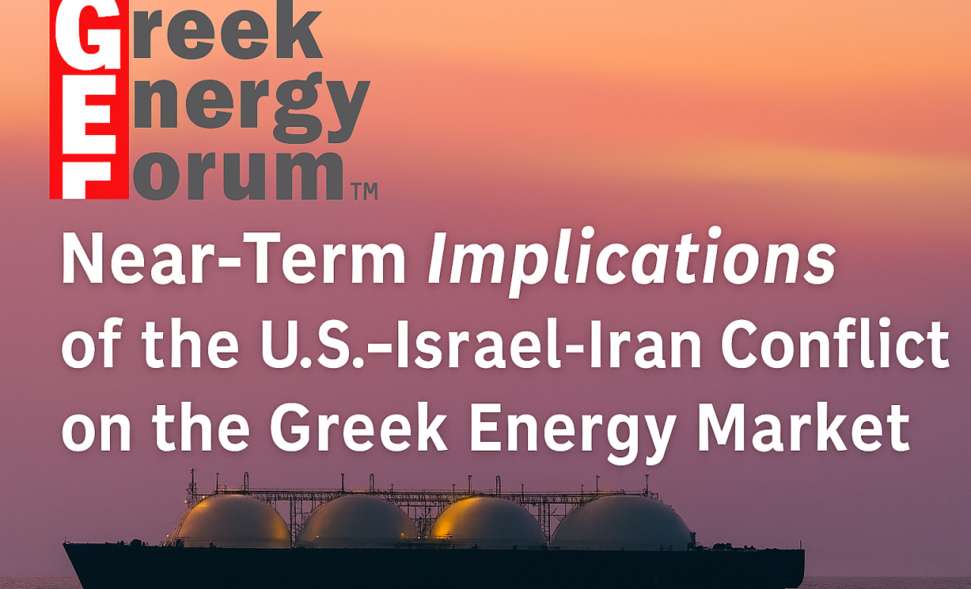
The escalating tensions between the US, Israel, and Iran are set to influence Greece’s energy landscape, particularly LNG and natural gas—areas where Greece plays a growing regional role.
- Heightened LNG Volatility
Regional conflict raises the probability of disrupted Eastern Mediterranean gas flows, potentially reducing Egyptian LNG exports and tightening supply. This could quickly amplify LNG price volatility affecting Greek short‑term procurement. - Increased Reliance on LNG Imports
With the US already supplying over 81% of Greece’s LNG in early 2025, Greece’s dependence on flexible Atlantic LNG is likely to deepen as pipeline uncertainty grows in the broader region. - System Stress & Higher Gas‑Power Prices
Strong domestic power demand means any LNG tightness immediately impacts gas and electricity prices. Greece has previously had to secure last‑minute spot cargoes to maintain system stability during similar stress periods. - Greece’s Strategic Role Strengthens
Despite challenges, Greece’s expanding LNG infrastructure and its new gas trading platform enhance regional market liquidity and security—solidifying Greece as a Southeast European energy hub.

About the author
Mr Stergios Zacharakis
 SHARE THIS PAGE
